
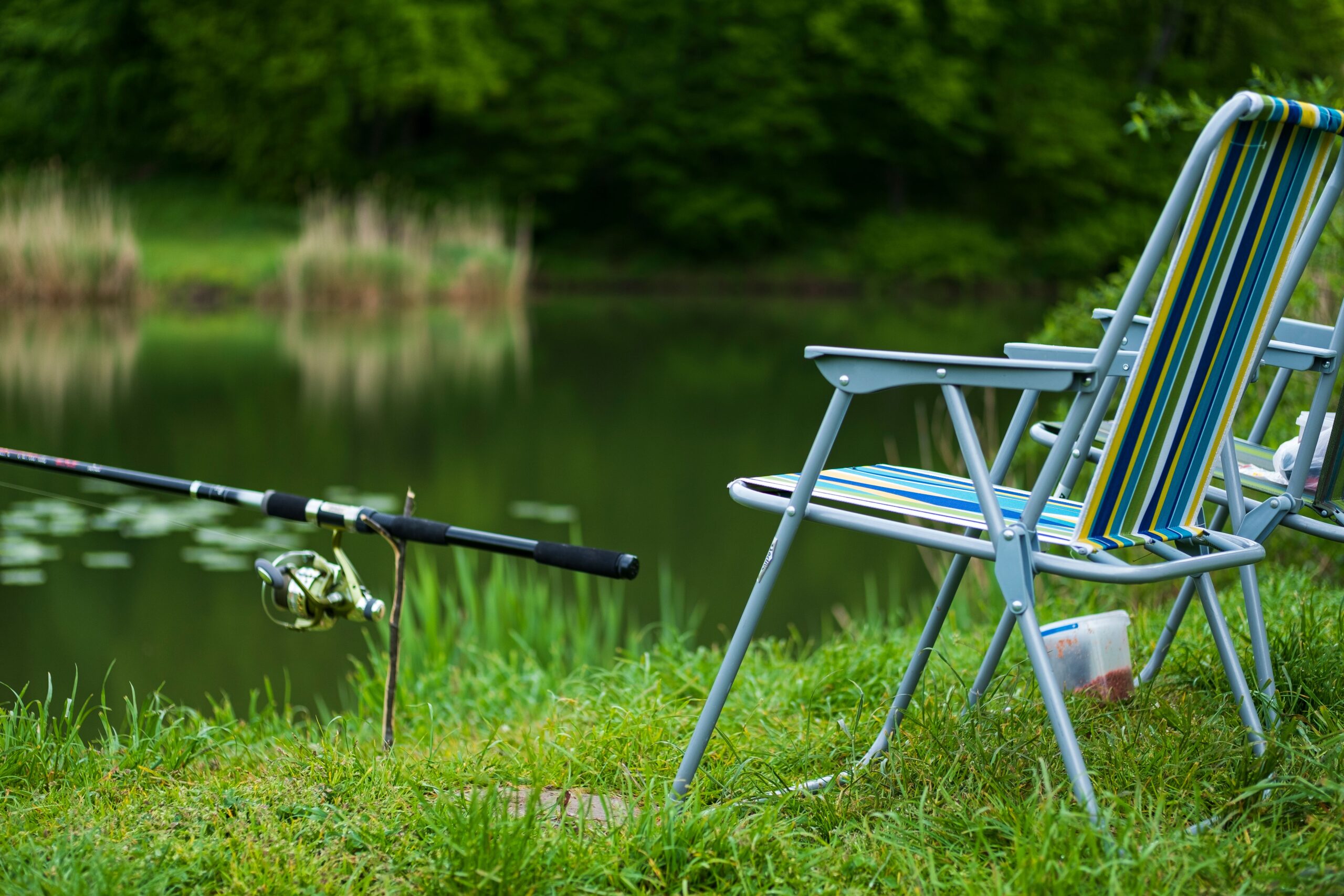
Summer reservoir fishing in Spain can be brilliant, but it rarely stays easy for long.
The water drops, familiar banks change shape and by lunchtime the heat can make sitting behind rods feel like a punishment. The fish are still there. Finding where they have gone and when they are prepared to feed is the difficult part.
I fish differently in July and August from the way I do in spring. Mostly that means starting earlier, carrying more water and being less stubborn about staying in a swim that has gone dead.
The Best Fishing Is Often Over Before Breakfast
An early start matters at any time of year. In a Spanish summer it can decide whether you catch anything at all.
I like to be set up while it is still dark enough to need a head torch. The air is cooler, the banks are empty and there may be some movement close to shore before the sun reaches the water properly.
That first period of daylight can be short. A swim that shows signs of life at seven may look completely vacant two hours later.
Evening fishing can be productive too, particularly when the heat begins to leave the shallows. The trouble is that everybody knows this. Popular banks become busier and getting the position you wanted may depend on arriving well before the useful part of the evening.
If I had to choose one, I would take the morning. Setting the alarm is unpleasant but so is spending six hours watching motionless water in 38-degree heat.
Warm Water Changes More Than the Temperature
Warm water holds less dissolved oxygen than cold water. That does not mean every fish immediately disappears into the deepest part of the reservoir. Reservoirs are more complicated than that and the deepest water is not automatically the best-oxygenated water.
Wind, incoming streams, depth changes and the shape of the lake can all affect where fish are comfortable.
I look for water that is doing something. A breeze pushing into a bank, a point receiving some movement or an area close to an inflow gives me more confidence than a flat bay that has been baking all afternoon.
The wind can be annoying. It tangles rigs, moves alarms and makes everything more awkward. It can also improve a swim that looked lifeless an hour earlier. In summer I would rather fish a bank with a sensible wind in my face than sit somewhere sheltered simply because it is comfortable.
The Bank You Remember May Have Disappeared
Reservoir levels can fall considerably through summer. A place that looked perfect in April may be several metres from the water by August. Old roads, walls, tree stumps and rocky shelves begin to appear as the water retreats.
This can create useful features but it also creates problems.
A clean-looking margin can hide sharp stones or drowned branches farther out. Steep banks can turn into long areas of soft mud. Tracks that once reached the water may finish well above it and carrying a full load of tackle down is always easier than getting it back up.
I check recent water levels when I can and look at satellite images, but neither tells you everything. Local tackle shops and anglers who have visited recently are often more useful than a map.
Do not assume you can drive down every exposed track. Reservoir mud has a talent for looking solid until a wheel enters it.
I Use Less Tackle in Summer
Years ago, I treated every fishing trip as though I might need to survive beside the lake for a fortnight. Summer cured me of that.
If I am fishing a shorter morning session, I take what I can move without an argument. Rods, net, unhooking mat, a small amount of bait and enough water for the conditions. Shade is useful if I am staying beyond the morning, but the best answer to extreme midday heat is usually to pack up.
Lighter tackle also makes it easier to move. That matters when the water has dropped and the fish are not where they were on your previous visit.
There is no prize for remaining in the wrong swim because setting up took an hour.
Anyone new to these waters may find my beginner’s guide to lake fishing in Spain useful before deciding what to bring.
Finding Fish Before Feeding Them
Summer encourages people to throw in more bait. Sometimes that works. Sometimes you spend the morning feeding fish that have no intention of visiting your hook bait.
I start cautiously unless I have a good reason to do otherwise. A little accurate bait in the right place is better than a bucket spread across an empty part of the reservoir.
Visible activity helps, although it is easy to misread. A carp showing once at distance is interesting. Repeated movement along the same line deserves attention. Small fish disturbing the surface might tell you something about depth, cover or water movement even when they are not the species you came for.
On clear reservoirs I also watch the margins before walking straight to the edge. Fish can come surprisingly close during the cooler hours. Heavy footsteps, dropped tackle and a silhouette standing over the water are excellent ways to send them elsewhere.
Fish Care Matters More in Hot Weather
Hot conditions are harder on both fish and anglers.
I prepare the mat, net and unhooking equipment before casting. A fish should not be left waiting while I search for something buried underneath a chair. I keep it wet, handle it for as little time as possible and return it promptly.
Long photographs and repeated attempts to get the perfect pose are unnecessary. The fish does not care about your Facebook page.
Some waters may introduce temporary restrictions during periods of extreme heat, drought or heightened fire risk. Spain’s fishing rules also vary between autonomous communities and individual waters can require additional permits. My article on fishing licences and regulations in Spain explains the basic system, but current local rules should always be checked before travelling.
Fire safety deserves the same attention. Dry reservoir banks burn quickly. I avoid any naked flame and take every bit of rubbish home, including line and cigarette ends left by somebody else.
Knowing When the Session Is Finished
The hardest summer fishing lesson is accepting that effort and results do not always arrive together.
If the useful morning period has passed, the temperature is climbing and the water has stopped showing signs of life, I am happy to leave. Staying until late afternoon does not make the blank more respectable.
Sometimes a change of bank produces another chance. Sometimes the better decision is coffee, lunch and another attempt the following morning.
Spanish reservoirs are too large to behave according to one simple summer rule. Fish may be deep, tight to cover, following wind or feeding close in before daylight. Conditions can change between visits and a productive swim can become useless as the level falls.
Start early, travel lighter and pay attention to the water in front of you. That gives you a better chance than fishing the place exactly as you remember it from spring.
