
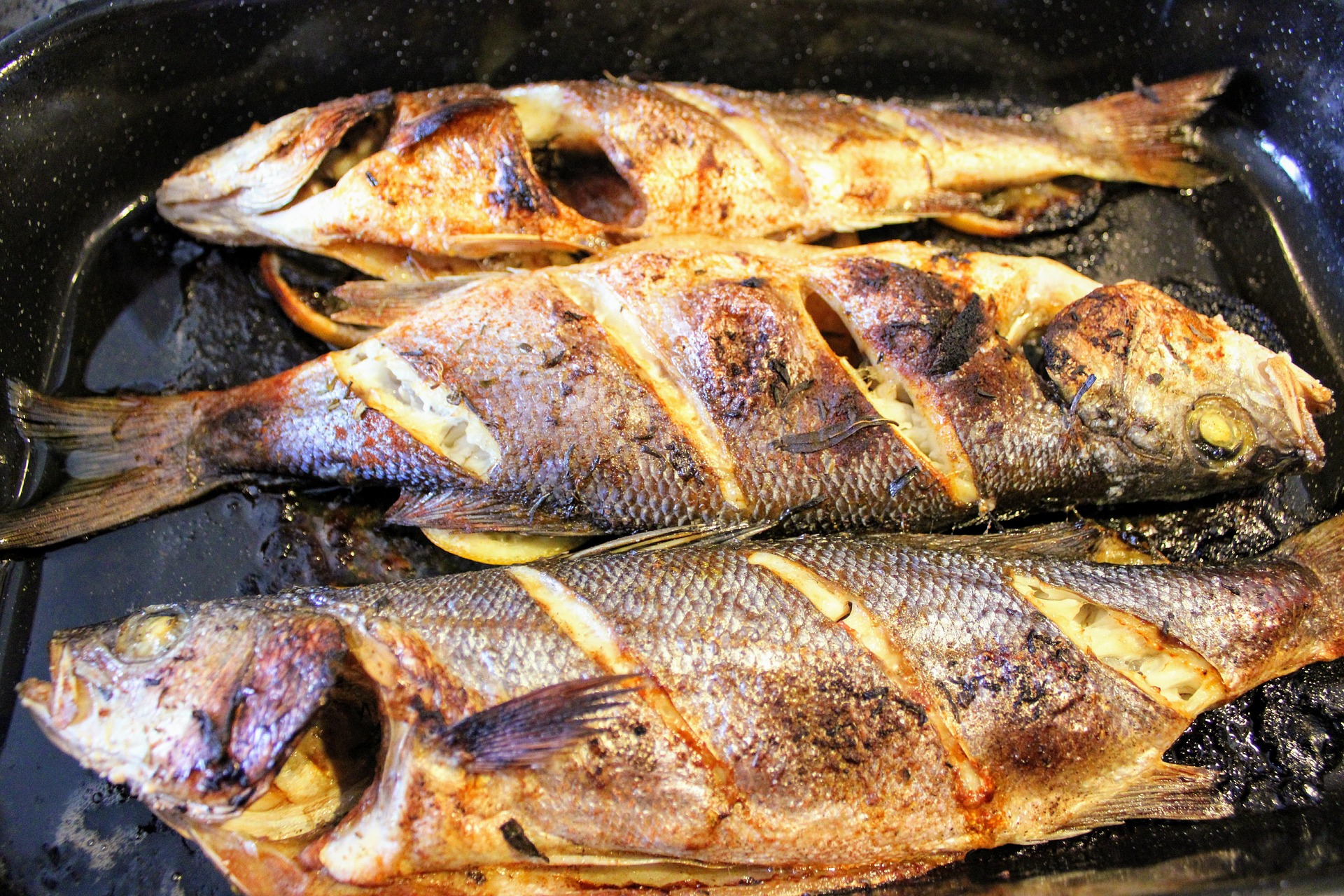
I always forget how optimistic the sea makes you in March.
You stand there in a fleece that isn’t quite warm enough, watching a perfectly calm bit of Mediterranean that looks like it was laid out by an estate agent, and you think: this is it. This is the session where everything works. No tangles. No blank. No stupid mistakes. Just fish.
That thought alone should be enough to pack up and go for a coffee.
But spring is when I always end up back on the coast, even though I’m supposed to be a freshwater man. Reservoirs, lakes, quiet banks. That’s my world. And yet every year, once the worst of winter has loosened its grip, I find myself pointing the car toward the sea with rods rattling in the back and that old, daft feeling that something might finally go to plan.
This is the season for two fish that make you believe things. Sea bass. And dorada.
They’re not easy. They’re just easier than they are in summer.
And that’s not the same thing at all.
The Lie of Spring Water
Spring water looks friendly.
It’s clearer. It’s calmer. It doesn’t have that hard, hostile feel of winter. But it’s still cold enough that the fish haven’t switched fully into stupid mode yet. They’re moving. They’re feeding. But they’re still thinking.
Which is usually where I come unstuck.
Sea bass in particular start showing up again in places that have been empty for months. Estuaries. Rocky points. The edges of little coves where the bottom changes from sand to weed or broken rock. You can walk for an hour seeing nothing and then, suddenly, there’s a swirl or a flash and your heart rate jumps about ten years.
Dorada do the same thing but in a quieter, more deliberate way. They start nosing around shallower ground again, rooting about for anything crunchy, looking like they’re in no particular hurry.
They’re in a hurry. Just not in yours.
Sea Bass. The Fish That Makes You Feel Clumsy
Sea bass always makes me feel like I’m doing everything too loudly.
Too much splash. Too much movement. Too much optimism.
In spring I mostly spin for them, from rocks or from beaches that shelve fairly quickly. Nothing fancy. Soft plastics, the odd hard lure if the light’s right. I tell myself I’m being subtle, but I’m still a man who once tripped over his own landing net and sent a perfectly good lure into orbit.
They like edges. Current lines. Anywhere water is doing something instead of nothing. If the sea looks like a swimming pool, I get suspicious.
The takes, when they come, are often not dramatic. Just a heaviness. A sense that something has decided your lure is now part of its personal property.
And then they either come in like a gentleman or they go completely mad and try to cut you off on the nearest rock.
There is no in between.
Dorada. The Fish That Pretends You’re Not There
Dorada fishing is a lesson in patience and self control, two qualities I only occasionally display.
They don’t smash things. They investigate. They tap. They mouth. They test. By the time you’re sure something is there, it has often already decided you’re an idiot and moved on.
In spring they come into shallower water again, especially over mixed ground where sand meets weed or broken shell. They are built like something that eats crunchy things, and they do.
Simple rigs. Strong hooks. Bait that doesn’t look like it fell off the back of a lorry. And then you wait.
And wait.
And start thinking about sandwiches.
And then miss the bite.
The Places I Always End Up
I’m not going to pretend I have secret spots. I don’t. I have places I go back to because they hurt me slightly less than the others.
The Ebro Delta area is always worth a look, especially where freshwater and salt mix and everything seems a bit confused. Confused fish are sometimes cooperative fish.
The Costa Blanca has endless rocky headlands that look perfect and only about one in ten actually are. The trick is finding the one that has a bit of movement, a bit of depth, and not too many people in flip flops wandering past asking if you’ve caught anything yet.
The Costa Brava has coves that look like postcards and fish like bank vaults. Beautiful. Difficult. The kind of places that make you promise you’ll learn to dive instead.
Gear. Or, How Not to Make Things Worse
You don’t need a tackle shop on your back.
A sensible spinning rod for bass. A reliable reel. Line you trust. A leader that won’t explode the first time a fish looks at a rock.
For dorada, a bit more strength. They don’t fight like bass but they don’t like being told what to do either.
Most of the time the problem is not the gear.
It’s the man holding it.
The Usual Spring Mistakes
Fishing too fast because you’re excited.
Fishing the wrong water because it looks nice.
Staying too long because you’re stubborn.
Leaving too early because you’re sulking.
I have done all of these in the same day.
A Short, Honest Truth
Spring is when the coast gives you just enough success to keep you coming back.
You’ll have days when everything feels possible and days when you’d swear there are no fish left in the sea and it’s all a conspiracy.
You’ll lose a good one close in. You’ll miss a bite you should have waited for. You’ll catch a fish when you’re not paying attention and spend the rest of the week trying to repeat it.
And at some point, standing there in a slightly damp jacket, watching the light change on the water, you’ll think:
Next time. I’ll get it right next time.
You won’t.
But you’ll come back anyway.
